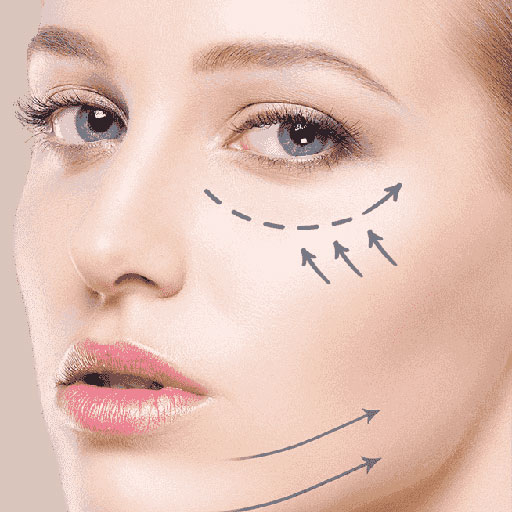






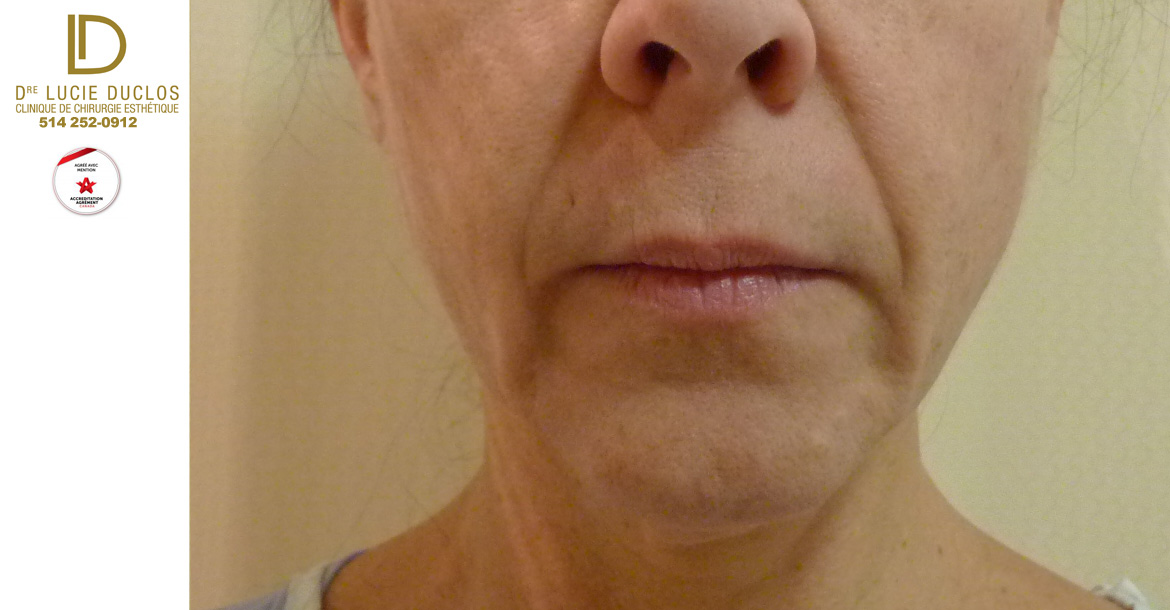
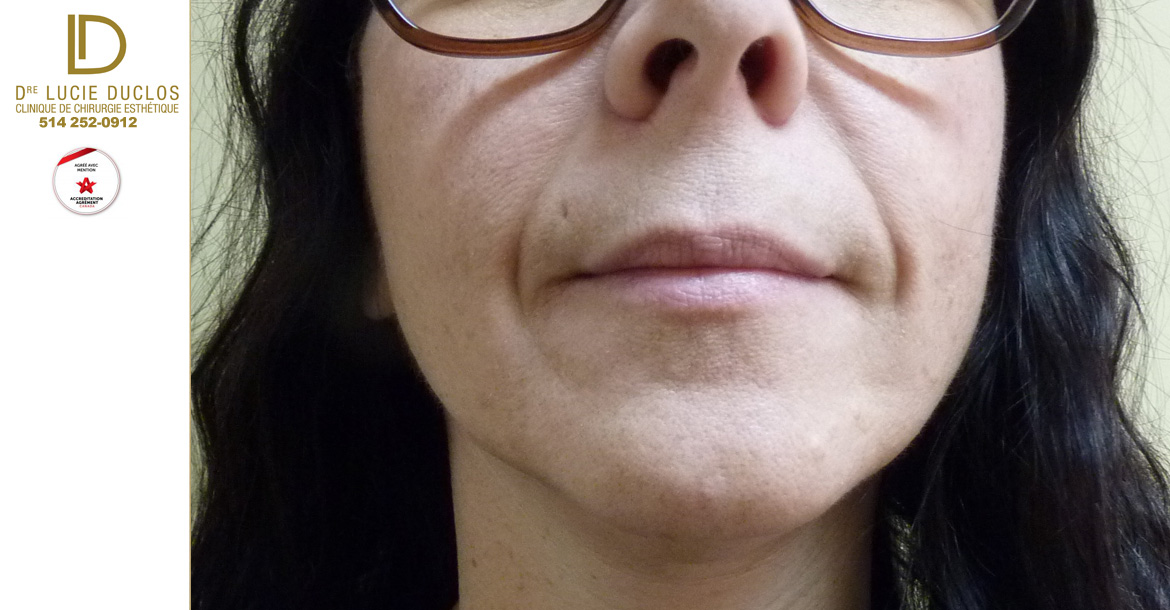
A facelift is a surgical procedure designed to tighten loose skin and muscles, thereby rejuvenating the appearance of the face. The main aim of the operation is to tone the skin and supporting tissues of the lower face and neck to redefine the oval of the lower face, as well as the angle under the chin and along the jawline.
State-of-the-art surgical technique
Whereas facelifts used to be major operations, techniques have evolved considerably over the last ten years, along with knowledge of anatomy and understanding of how aging affects the face. Today’s new techniques favor lighter procedures, with shorter incisions in more discreet locations. Also, many procedures are now performed under local anaesthetic. There is also a tendency these days to perform procedures earlier, from the age of 45/50, when the skin is still elastic and recovers easily. The result of all these developments in knowledge, practices and techniques is greater comfort for patients, with lighter postoperative effects, minimized scars and shorter recovery periods.
Short incision facelift
The short incision facelift is now possible, thanks in particular to the new surgical instruments that have appeared in recent years. The incision is only a third of the size of the conventional facelift incision. Tensioning is more targeted, which limits the surface area of skin detachment and means less edema, sensory disturbance and hematoma. Another notable advantage is that the procedure takes less time than a full facelift. This means less anesthesia is required, especially when local anesthesia is possible. A partial operation also reduces the risk of a fixed result or one that transforms the features. Scars are almost invisible, and it is possible to wear the hair short or to pull it up, leaving the ears uncovered.
-
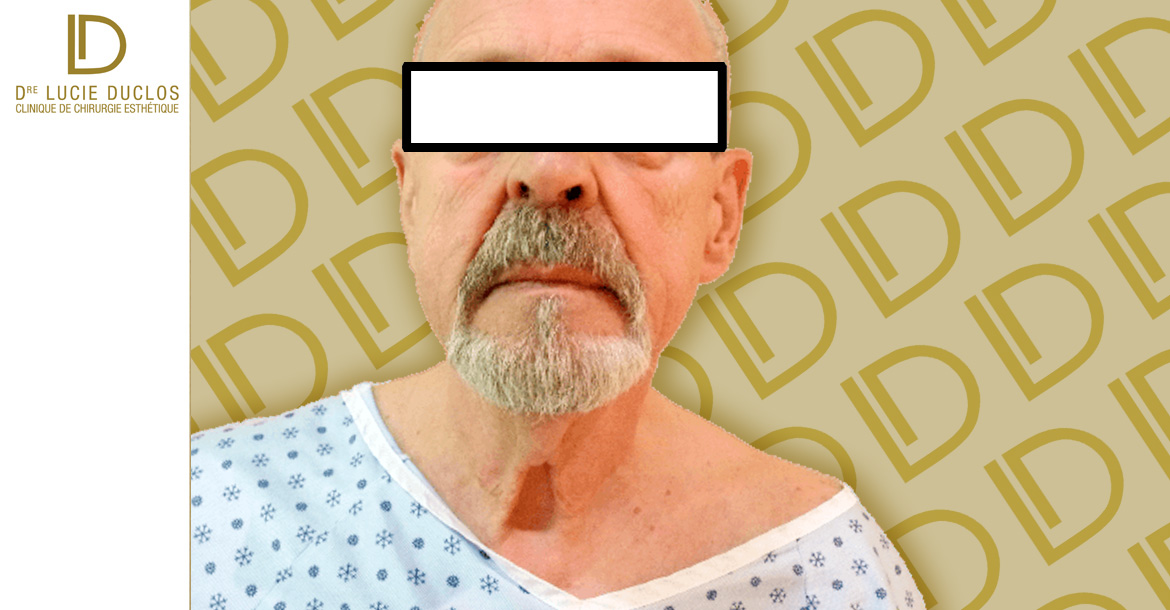

Lifting visage homme avant après 1 mois post opération
Cervico-facial lift
The cervico-facial facelift is the most commonly performed facelift of this type. It is generally performed from the age of 50 onwards, and involves tightening the neck area and reshaping the oval of the face. The jowls – the drooping skin on either side of the chin along the jawline – are also treated, to better define the jawline and preserve its natural appearance.
Cervical lift
The cervico-facial lift may need to be complemented by a cervical lift, which involves tightening the neck muscles and removing excess skin to eliminate the “turkey neck”. The result is a rejuvenated neck. The incision is made behind the ear.
This is a procedure that is difficult to perform alone, and is usually accompanied by re-tensioning of the mandibular margin, unless the patient has already had a facelift. A cervical lift can also complete the rejuvenation of a person who has undergone volumizing injections in the mid-face.
Who are the candidates for a short incision facelift?
Most candidates for a short incision facelift have hollow or drooping cheeks, jowls and furrows/folds around the mouth, including nasolabial folds. Neck skin is loose or has excess fat. If the neck skin is too loose (turkey neck), a cervical lift will be necessary in addition to the cervico-facial lift.
Before the operation
Candidates for a short incision facelift will be asked to mention their medical history and any previous surgeries they have undergone. In order to determine whether this type of operation is the best solution for your goals, all other surgical and non-surgical options will be presented to you. You will also be informed of the risks associated with surgery, so that you can make an informed decision.
During the operation
Depending on the case, the procedure is performed under general or local anesthesia with intravenous sedation. It lasts between one and three hours, and can be performed on an outpatient basis (with morning admission and evening discharge after a few hours of post-operative monitoring) or, more rarely, with an overnight hospital stay.
Post-operative care
After surgery, the face may be swollen, bruised and painful. These side effects usually disappear after 10 days, but for some more sensitive individuals, the recovery period may be 12 or 14 days.
Dressing may include drains for a day or two. Sutures are removed 8 to 12 days after surgery. For the first few days of recovery, it is advisable to rest as much as possible, with the head elevated.
It takes 3 to 6 months for complete resolution of the edema.
The risks
Risks associated with this procedure include infection, bleeding, anesthesia-related complications, nerve damage, blood clots, transient hair loss, sensory disturbances, necrosis (rare) and paralysis (extremely rare). Depending on your condition and occupation, you may return to work after a convalescence period of 7 days to 10 weeks. You will be able to resume light physical exercise after about 1 week, but vigorous exercise or heavy lifting is not recommended for the first 10 days. As a general rule, any activity requiring physical effort should be avoided, including bending forward.