





What is Canada’s position on semaglutide?
1 January 2026
In recent years, the landscape of medicine, and particularly aesthetic surgery, has been profoundly transformed by the emergence of new pharmacological tools. Among these, semaglutide, known under the brand names Wegovy and Ozempic, has established itself as a major innovation. Initially developed to treat type 2 diabetes, this drug quickly gained popularity for its remarkable effects on weight loss, offering a credible alternative to traditional approaches such as diets, exercise, or bariatric surgery. For aesthetic surgeons, this revolution presents both opportunities and challenges, redefining how patients approach their physical transformation. This article explores this phenomenon, its impact on surgical practice, and its societal implications.
Semaglutide: A Scientific Breakthrough
Semaglutide belongs to a class of drugs called GLP-1 (glucagon-like peptide-1) receptor agonists. These molecules mimic a hormone naturally produced by the gut, which plays a key role in regulating blood sugar and appetite. Administered via weekly injection, semaglutide acts on the brain to reduce hunger while slowing gastric emptying, prolonging the feeling of fullness. While Ozempic was initially approved for diabetes management, Wegovy, a higher-dose version, was specifically authorized by health authorities (such as the FDA in the United States in 2021) for obesity management in patients with a high body mass index (BMI) or weight-related comorbidities.
The clinical results are impressive. Studies, such as one published in the New England Journal of Medicine in 2021, showed that patients on Wegovy lost an average of 15 to 20% of their body weight over a year—a figure far exceeding outcomes from previous pharmacological treatments. For many, this drug represents a viable alternative to bariatric surgery (such as gastric bypass or sleeve gastrectomy), an invasive procedure that, while effective, carries risks and requires lifelong follow-up.
A Game-Changer for Patients
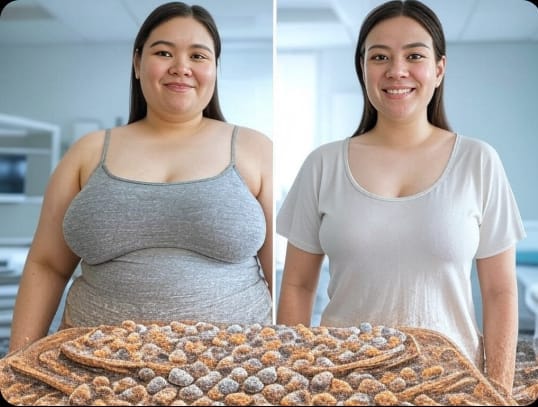 For overweight or obese individuals, traditional options—strict diets, exercise programs, or surgical interventions—have not always delivered the desired results. Diets can fail over the long term due to complex biological mechanisms, such as leptin resistance or metabolic adaptations that promote weight regain. Bariatric surgery, though effective, isn’t suitable for everyone: it demands psychological preparation, drastic lifestyle changes, and carries operative risks.s.
Semaglutide changes the game by offering a non-invasive solution accessible to a broader range of patients. For those who, for instance, don’t meet the criteria for bariatric surgery (typically a BMI over 40 or 35 with comorbidities) or fear surgery, this drug provides an opportunity to lose significant weight without going under the knife. This increased accessibility also has a positive psychological effect: it restores hope to patients trapped in a vicious cycle of repeated failures.
Impact on Aesthetic Surgery
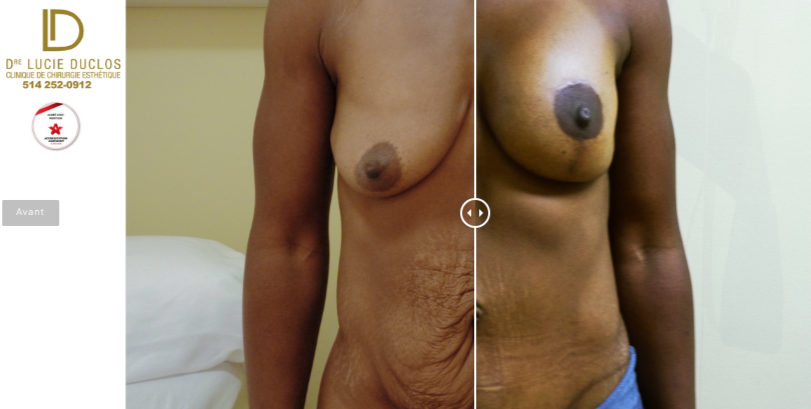
As an aesthetic surgeon, I’ve noticed a significant evolution in my practice since the arrival of semaglutide. Traditionally, many patients sought procedures like liposuction, abdominoplasty, or body lifts to address the aftermath of obesity or massive weight loss following bariatric surgery. Today, with semaglutide, the patient profile is shifting. Some arrive after losing 20, 30, or even 40 kilos thanks to the drug, now seeking interventions to address skin laxity or residual fat pockets that the medication couldn’t eliminate.
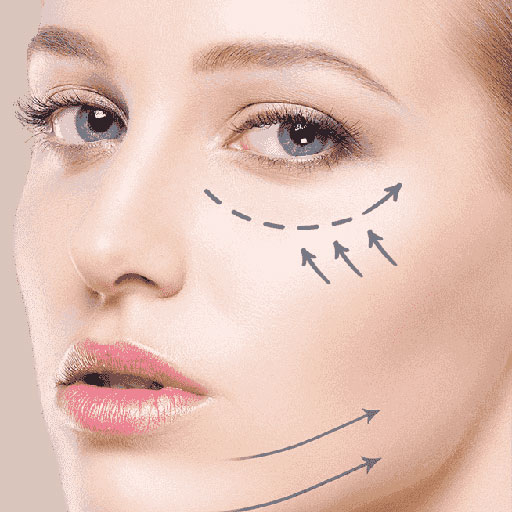
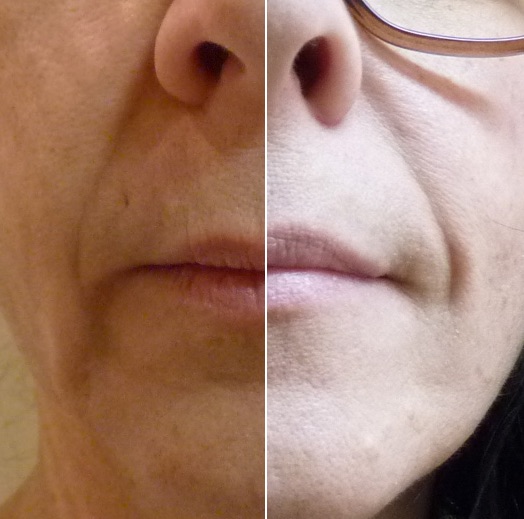
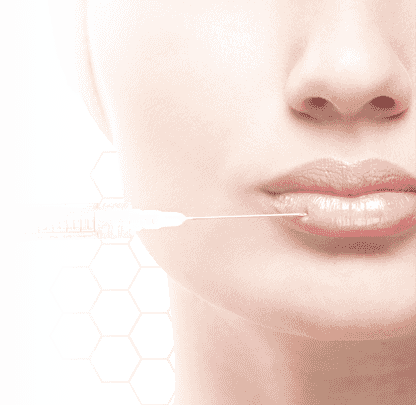
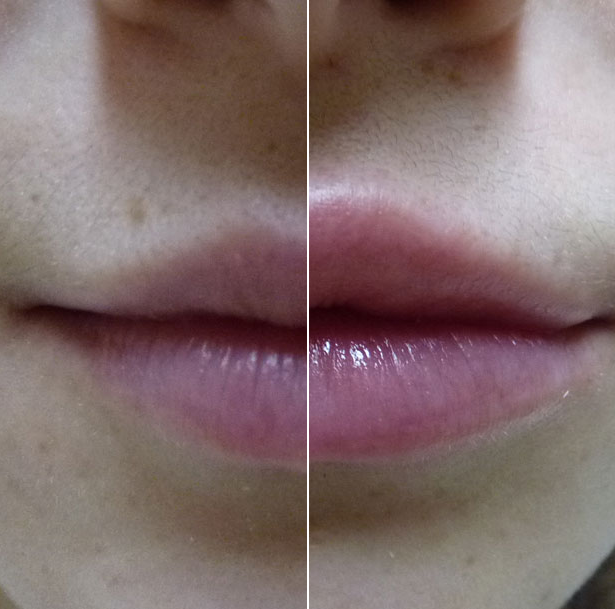
This new wave of patients presents unique challenges. Unlike the rapid, massive weight loss after bariatric surgery, semaglutide-induced weight loss is more gradual. This can affect skin quality: slower loss sometimes allows better skin retraction, reducing the need for major procedures like body lifts. However, for others—particularly older patients or those with pre-existing excess skin—surgery remains essential. Additionally, some patients on semaglutide report excessive facial volume loss—a phenomenon dubbed “Ozempic face”—leading them to consult for fillers or facelifts.
A Societal Revolution
Beyond the medical sphere, semaglutide raises societal and ethical questions. Its meteoric rise has fueled debates about body perception, obesity stigma, and healthcare access. In the United States, for example, Wegovy’s high cost (over $1,000 per month without insurance) limits accessibility, creating a divide between those who can afford it and those who cannot. In Europe, where public healthcare systems play a larger role, authorities are still hesitant to widely reimburse the drug for weight loss, often reserving it for the most severe medical cases.
Moreover, semaglutide’s popularity has been amplified by social media and celebrities, driving demand sometimes fueled by unrealistic beauty standards rather than health needs. This puts aesthetic surgeons in a delicate position: meeting these expectations while avoiding overmedicalization.
Future Perspectives
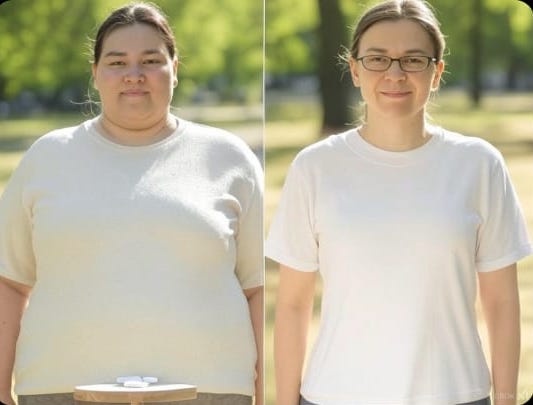 The arrival of semaglutide is just the beginning of a wave of new obesity treatments. Other molecules, like tirzepatide (Mounjaro), promise even more striking results, with weight loss exceeding 20%. These advances could further reduce reliance on bariatric surgery and alter the indications for aesthetic surgery. In the long term, they might encourage a more integrated approach to weight loss, combining pharmacology, psychological support, and, when necessary, targeted surgical interventions.
For aesthetic surgeons, adaptation is key. This means understanding the specific needs of patients on semaglutide, anticipating side effects (like skin laxity or volume loss), and offering tailored solutions. While this revolution disrupts established practices, it also provides an opportunity to rethink patient care holistically, prioritizing their well-being.
Conclusion
Semaglutide, in its Ozempic and Wegovy forms, has undeniably transformed the fields of weight loss and, by extension, aesthetic surgery. By offering an effective, less invasive alternative to bariatric surgery, it redefines patients’ journeys and their expectations for their bodies. For practitioners, it’s both a challenge and an opportunity: to support a new generation of patients in their quest for physical and emotional transformation. As science continues to evolve, one thing is clear: semaglutide is not a passing trend but a turning point in our approach to obesity and body aesthetics.
Dr. Duclos frequently receives this new generation of patients at her clinic who have successfully controlled their weight thanks to semaglutide. She supports and advises these people in their quest for physical and emotional transformation. Make an appointment with Dr. Duclos now to receive expertise, support and advice in your wellness journey.