




Before and after Poland syndrome
6 December 2024
Double Points with Brilliant Distinctions! 🎉
27 January 2025
The term “Ozempic face” has become a buzzword in recent years, especially since the use of the drug Ozempic — the brand name for semaglutide — has exploded. Originally designed to treat type 2 diabetes, Ozempic has garnered considerable attention for its off-label use as a weight-loss aid. The drug, given as weekly injections, mimics a hormone called GLP-1 (glucagon-like peptide-1), which regulates appetite and slows digestion. The result? Significant weight loss for many users, often in a relatively short period of time. But this rapid transformation comes with an unexpected side effect that has captured the public’s attention: a sunken, gaunt facial appearance, dubbed “Ozempic face.” The phenomenon has sparked debates about aging, beauty standards, and the growing role of cosmetic procedures like injections. to remedy this.
What does the term “Ozempic face” mean exactly?
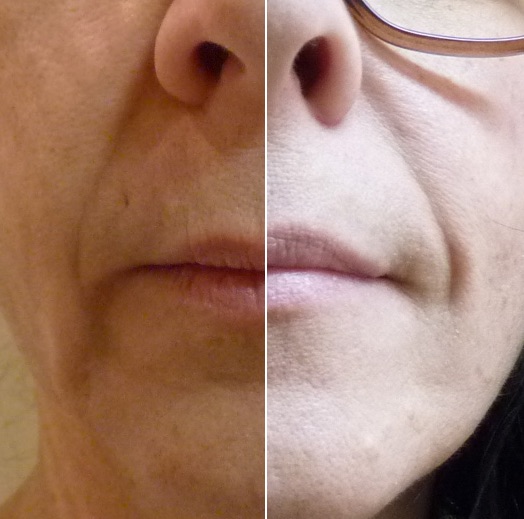
“Ozempic face” refers to the facial changes that can occur when a person loses a lot of weight quickly, whether with Ozempic or by other means. The fat under the skin, especially in the face, provides volume and youthful contours. When this fat is lost quickly, the skin doesn’t always have time to adjust, leading to sagging, sunken cheeks, more pronounced wrinkles and a generally older appearance. For Ozempic users, this effect can be particularly pronounced because the drug’s mechanism targets overall fat reduction without distinction between the body and the face. Dr. Duclos has seen an increase in patients looking for solutions to this unintended consequence, often in their 30s, 40s and 50s — ages when natural collagen and elasticity begin to diminish.
Between Dream and Reality: A Dream Body for an Emaciated Face
This is not a new concept linked only to Ozempic. Rapid weight loss due to extreme dieting or illness has long been known to alter facial structure.
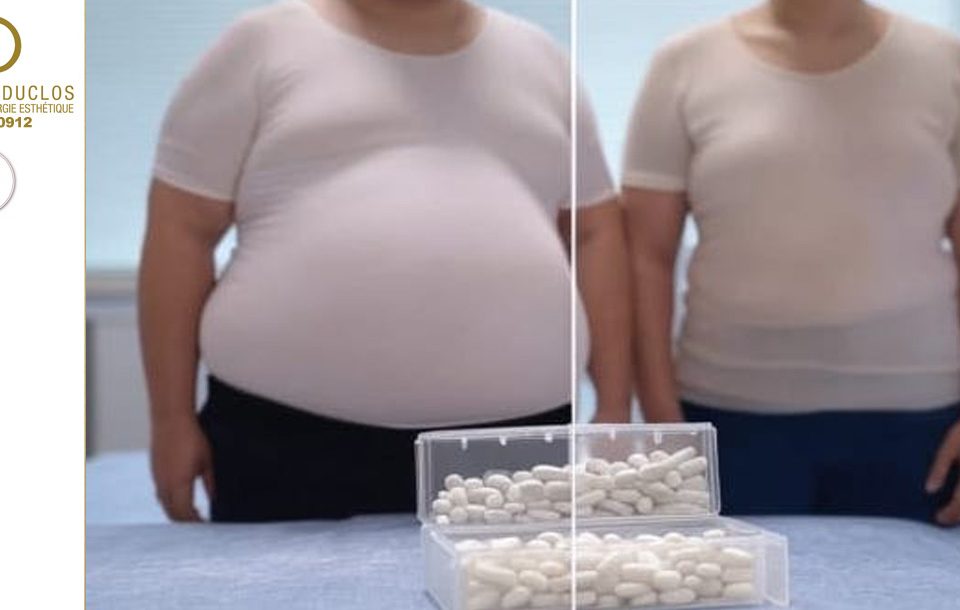
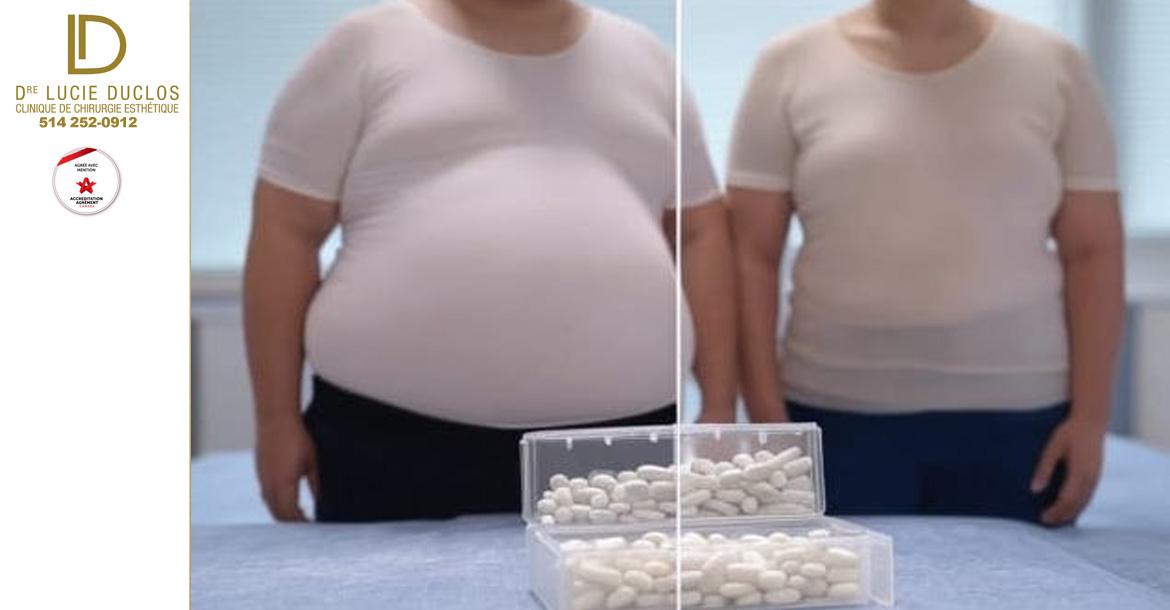
What is different today is the scale and visibility of the phenomenon. Celebrities and influencers who openly talk about their use of Ozempic — or its cousin Wegovy — have propelled “Ozempic face” into the spotlight. Social media is full of before and after photos, some praising slimmer bodies, others lamenting hollow faces. The cultural obsession with thinness, coupled with the availability of a drug that promises quick results, has created a perfect storm: people achieve their dream body, only to discover that their face no longer fits the ideal.
Hyaluronic Acid Injections as a Solution
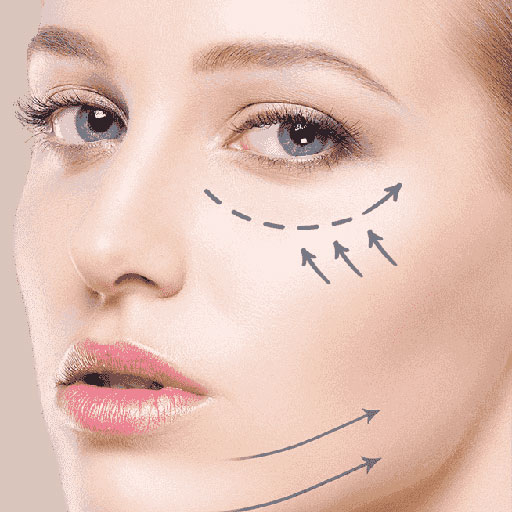
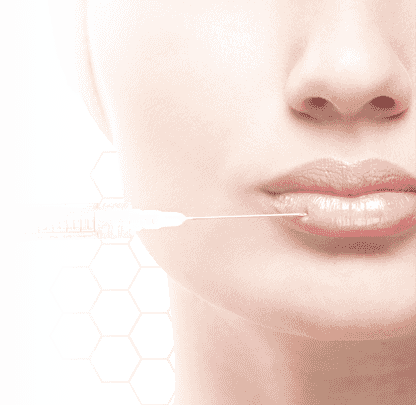
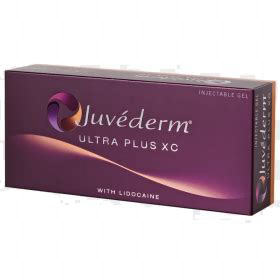
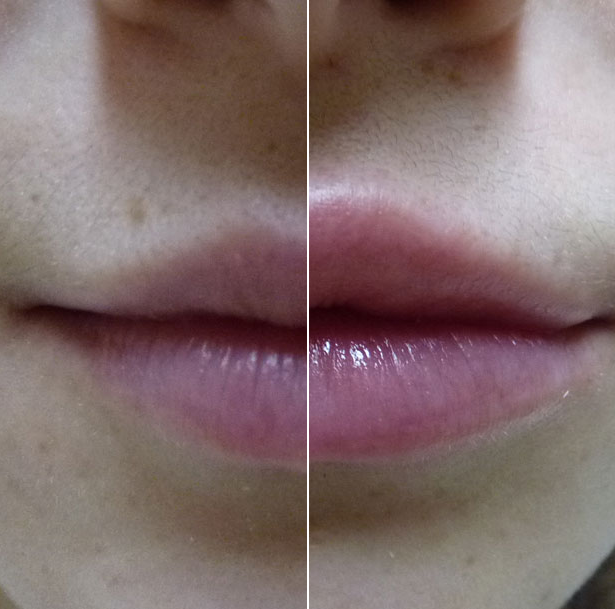
This is whereaesthetic fillers come in, the preferred solution for many who undergo “Ozempic face.” Dermal fillers, typically composed ofhyaluronic acid, are injectable substances that restore volume in areas such as the cheeks, under the eyes, and jawline. Popular for years as a non-surgical way to combat aging, their use has surged with the rise of weight-loss medications.
Dr. Duclos sees patients who present with complaints such as: “I love my new body, but my face looks tired” or “I lost weight, but now I look ten years older.” Fillers offer a quick, minimally invasive solution, restoring volume to the skin to mimic the fullness lost with fat.
The Importance of Using an Experienced Surgeon
But fillers aren’t without their complications. The procedure requires skill — an overzealous injector can leave a swollen or frozen appearance, while undertreatment may not fully correct the hollowing. The surgeon will be able to determine whether it’s best to do a mini-facelift with short incisions or to do filler injections, or sometimes a combination of both, to optimize the result.
Medical or cultural problem?
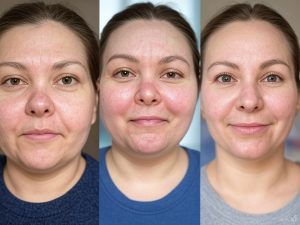
Fictional person
The rise of the “Ozempic face” and the accompanying filler craze also shines a light on societal attitudes toward aging and beauty. Losing weight is often presented as a universal good—healthier, more attractive, more disciplined. Yet when the face no longer matches youthful ideals, the same people who praised weight loss may criticize the “aged” appearance. This double standard has fueled debates about whether the “Ozempic face” is a medical or cultural problem. Some argue that it’s a small price to pay for the benefits of weight loss, especially for those with obesity-related conditions. Others see it as evidence of unbridled vanity, with people pursuing thinness at the expense of their natural features, only to turn to another needle to repair the damage.
Societal pressure

Fictional person
Women, who are under disproportionate pressure to stay young and thin, make up a large portion of Ozempic users and filler customers. Men are not immune—many have embraced the drug and its aesthetic consequences—but the discourse around “Ozempic face” often focuses on women who walk the fine line of beauty standards. A 40-year-old woman might lose 30 pounds and feel triumphant, only to look in the mirror and see her cheekbones are too pronounced. Fillers then become less of a luxury and more of a corrective measure, a way to regain the face society expects.
Not everyone rushes to get hyaluronic acid injections, however. Some embrace their new appearance, seeing the slimness as a symbol of their transformation. Others are opting for less invasive solutions—skin-care routines, facial exercises, or even clever makeup to fake lost volume.
Bottom Line
The “Ozempic face” phenomenon and the wave of fillers it has sparked continue to evolve. As more people experiment with semaglutide, researchers are studying its long-term effects—not just on weight, but on skin and aging. The interplay between these injections—Ozempic in the body, fillers in the face—offers a fascinating glimpse into how we manipulate our biology to accommodate our desire for better health. Whether a passing fad or a lasting change, “Ozempic face” has undeniably entered the cultural conversation, one syringe at a time.